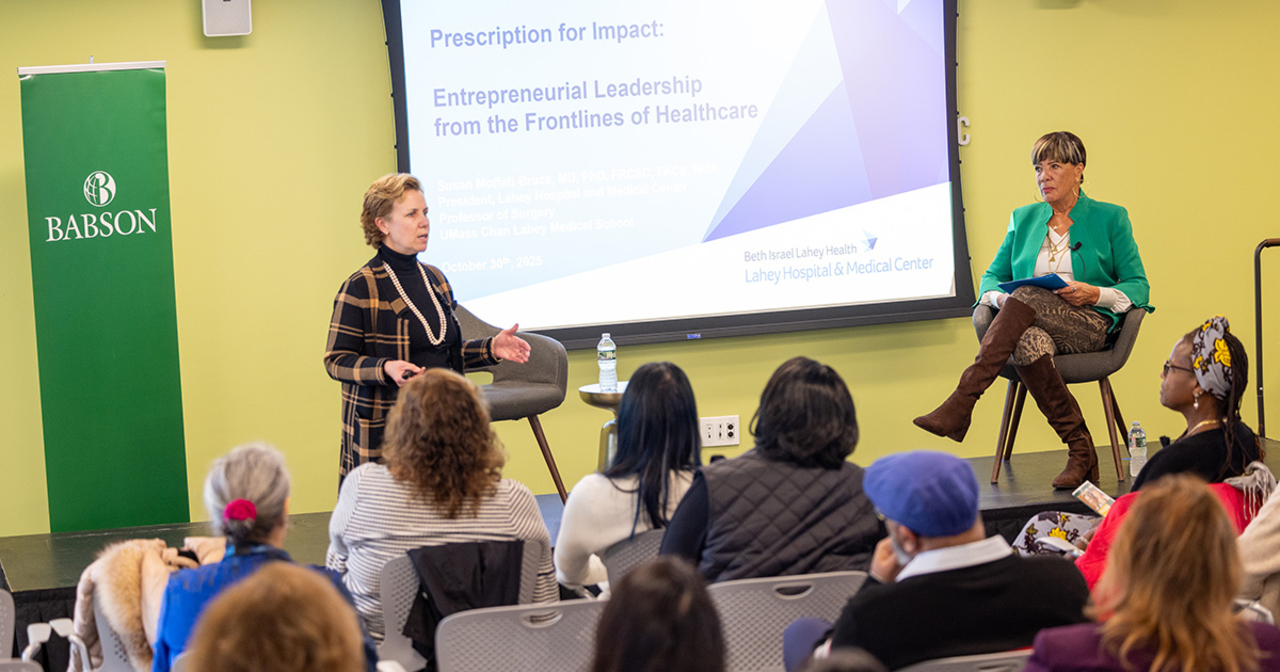
Healthcare systems across the country are confronting rising costs, increasing patient complexity, and mounting pressure to improve outcomes. These challenges are prompting organizations to rethink traditional approaches and embrace entrepreneurial leadership as a catalyst for meaningful innovation. Recent discussions among academic leaders, healthcare executives, and innovation experts highlight how collaboration, technology, and new operating models can reshape the future of care delivery.
At the center of the conversation is the recognition that healthcare differs from most industries because innovation carries uniquely high stakes. Decisions affect patient safety, clinical outcomes, and operational sustainability simultaneously. This reality often leads to cautious decision-making and slower adoption of new ideas. Yet, leaders increasingly agree that the pace of change in healthcare must accelerate to meet evolving demands.
A key theme emerging from these discussions is the need to cultivate an entrepreneurial mindset within healthcare environments. Historically, clinical education has emphasized proven protocols and risk avoidance, which can inadvertently limit creative problem-solving. To address future challenges, organizations are exploring new ways to encourage cross-disciplinary thinking, experimentation, and structured testing of emerging technologies. Innovation hubs within health systems are playing an important role in this shift, serving as controlled environments where new ideas, workflows, and tools—particularly those involving artificial intelligence—can be evaluated in a data-driven and patient-centered manner.
Experts emphasize that innovation is not solely about technology. While AI and digital solutions generate significant interest, successful transformation depends on thoughtful implementation and alignment with both clinical and financial outcomes. Healthcare organizations must balance improving patient care, enhancing provider experience, and managing costs simultaneously. Unlike other industries, progress in only one area is insufficient; sustainable innovation requires coordinated improvement across all three.
Another recurring insight is that large healthcare systems often struggle to innovate independently due to structural complexity and risk sensitivity. This is where partnerships become essential. Collaboration between academic researchers, entrepreneurs, clinicians, and operational leaders creates a powerful dynamic. Academics often excel at identifying systemic problems and generating evidence, while entrepreneurs bring solution-oriented thinking and execution capabilities. When combined within a shared innovation framework, these complementary perspectives can accelerate meaningful change.
Innovation hubs within hospitals are uniquely positioned to foster this collaboration. By connecting frontline clinical challenges with external expertise and emerging technologies, these hubs can act as catalysts for pilot programs, rapid prototyping, and scalable solutions. They also create opportunities to test new care delivery models, improve workflows, and validate the impact of digital tools before broader deployment across the organization.
Despite the challenges, there is growing optimism about the future of healthcare innovation. The necessary technologies already exist, and examples from health systems around the world demonstrate that meaningful improvements are achievable. The remaining barriers often relate to implementation, leadership alignment, and organizational willingness to embrace change. With deliberate investment in innovation infrastructure, strong partnerships, and a commitment to entrepreneurial thinking, healthcare organizations can move from analysis to action.
As innovation hubs continue to evolve within major hospital systems, they are becoming critical engines for transformation. By bridging clinical expertise, operational insight, and entrepreneurial execution, these environments can help healthcare organizations develop scalable solutions that improve patient outcomes, enhance provider experience, and reduce costs—ultimately shaping a more resilient and forward-looking healthcare system.